Betfred Shop Closures Reflect Direct Effects of Prior Budget Tax Adjustments
Noah Schmitt · Aug 3, 2026

Betfred Shop Closures Reflect Direct Effects of Prior Budget Tax Adjustments
The Betting & Gaming Council released a statement that connects recent Betfred betting shop closures straight to tax increases from the previous year's Budget, and the organization points out how these changes have already forced operators to scale back operations across multiple locations. Observers note that the closures represent measurable outcomes of higher tax burdens placed on the regulated betting sector, which has prompted companies like Betfred to adjust their physical retail presence in response to elevated costs. According to the BGC statement, these tax rises have created immediate financial pressures that make continued operation of certain shops unviable, leading to the specific shutdowns announced by Betfred. The council highlights that such decisions stem from calculations around profitability after the Budget measures took effect, and data from the sector shows reduced margins in high street locations where footfall and overheads already strain returns.Details from the BGC Statement on Shop Closures
The statement issued by the Betting & Gaming Council identifies the closures as a clear illustration of how tax policy changes ripple through the betting and gaming industry, and it references the previous Budget as the originating point for the cost increases now affecting multiple operators. Betfred has moved to close several shops following these adjustments, with the BGC framing the moves as necessary responses rather than discretionary choices. Those familiar with the sector point out that similar patterns emerged after earlier tax shifts, where operators consolidated locations to manage overall expenditure.
Figures shared in the statement show that tax increases have added significant operational expenses for physical betting shops, which operate under tighter margins compared to remote platforms. The BGC notes that these costs compound existing challenges such as competition from online alternatives and changing consumer habits, yet the direct link to the Budget remains the central factor cited for the current round of closures. People who track industry trends observe that Betfred's actions align with broader adjustments seen in other retail betting chains facing parallel cost structures.
Warnings on Further Tax Pressures and Sector Impacts
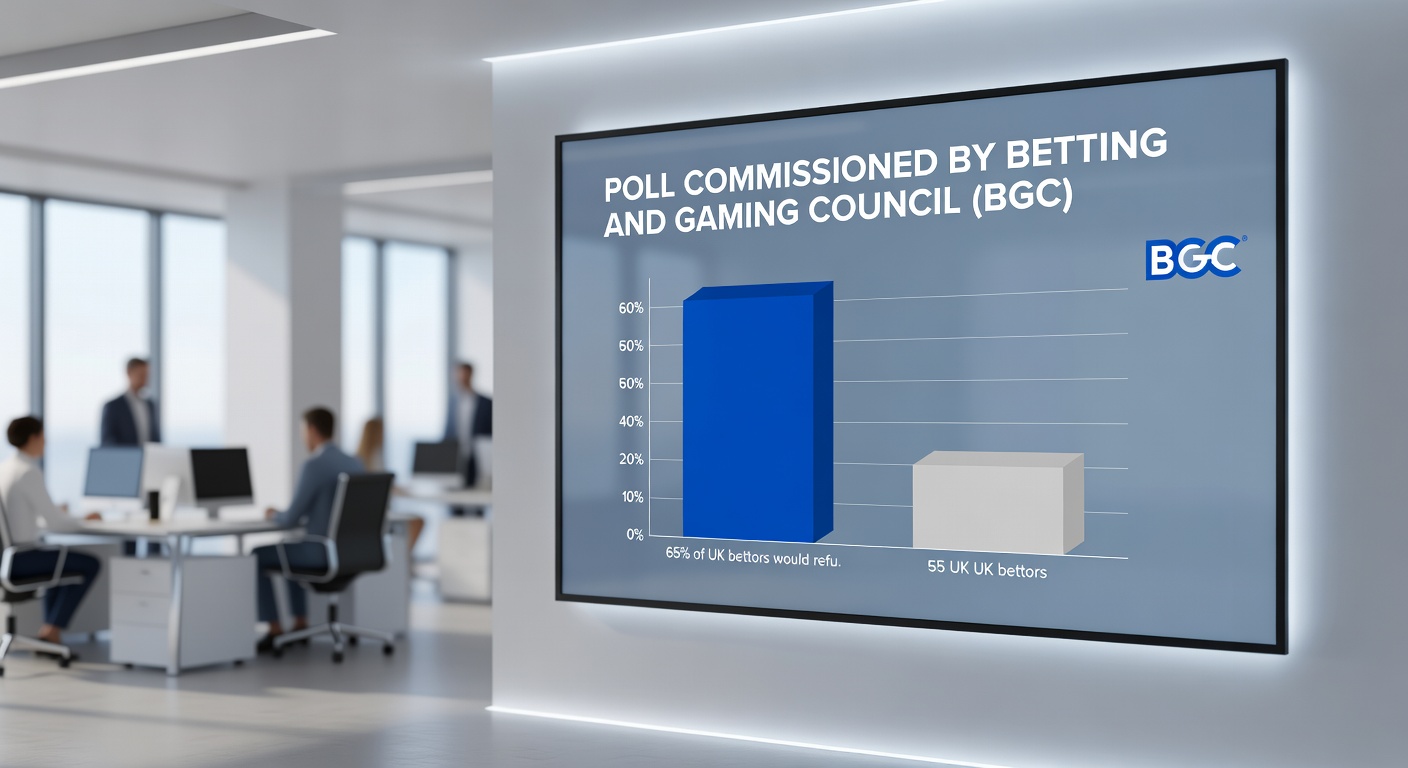 The BGC statement extends beyond the immediate closures to warn that additional tax measures targeting the regulated UK betting and gaming sector would likely produce more job losses, reduced capital investment, and damage to high street economies. It also flags potential shortfalls in funding for British horseracing, which relies on contributions from betting operators, while simultaneously strengthening the unregulated black market that operates outside tax and regulatory frameworks. The council presents these outcomes as interconnected consequences that follow from heavier taxation on compliant businesses. Data referenced in the statement indicates that further tax hikes could accelerate shop closures beyond those already implemented by Betfred, with downstream effects on employment in retail betting roles. The organization points to investment reductions as another probable result, since operators facing squeezed returns often defer upgrades or expansions in physical sites. High street areas stand to lose foot traffic and associated spending when betting shops close, according to the BGC analysis, which connects these retail changes to wider local economic activity.
Potential Shifts Toward Unregulated Markets
The statement emphasizes that increased tax pressure on the regulated sector tends to channel activity toward the unregulated black market, where operators avoid tax obligations and consumer protections entirely. The BGC observes that this migration has occurred in previous periods of heightened taxation, and current closures could accelerate the trend if additional measures follow. Those monitoring market dynamics note that black market operators gain ground when regulated options become less accessible or more expensive for consumers.
British horseracing funding faces direct exposure because betting operators contribute levies and sponsorships that support the sport, and the BGC statement warns that sustained tax increases could reduce those flows. The organization links shop closures to lower overall betting volumes in regulated channels, which in turn affects the financial support available for racing events and prize money. External sources such as the Betting and Gaming Council reports provide further context on these funding mechanisms and their reliance on sector health.
Context Around August 2026 Developments
In August 2026 the effects of the prior Budget continue to surface through ongoing operator adjustments, and the BGC statement arrives amid reports of additional Betfred locations under review. The timing places the closures within a period where operators assess cumulative impacts from tax changes implemented earlier, with the council using the example to illustrate risks of policy repetition. Industry records show that regulated betting contributes measurable economic value through employment and taxation, yet the statement underscores how further burdens could erode those contributions while expanding unregulated alternatives.
Conclusion
The BGC statement on Betfred closures presents a factual account of how tax increases from the previous Budget have translated into specific operational decisions, and it outlines projected consequences if similar pressures continue. The organization connects shop closures to job impacts, investment changes, high street effects, horseracing support reductions, and black market growth in a single narrative drawn from current sector conditions. Observers following these developments see the statement as a summary of measurable outcomes rather than speculation, with the Betfred example serving as the primary case cited. The council directs attention to the regulated sector's role in maintaining employment and funding streams that extend beyond betting itself, while noting the competitive disadvantage created when tax policies favor unregulated channels.